



Highlighted below are select Mayo Clinic–originated technologies currently available for licensing or collaboration and represents a small sample of the overall portfolio.
Unmet need:
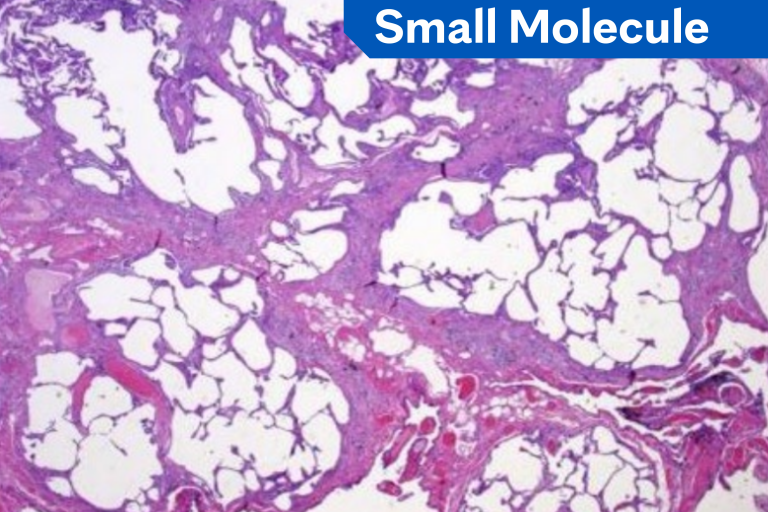
Idiopathic pulmonary fibrosis (IPF) is a progressive, fatal lung disease with limited treatment options, affecting ~100,000 patients and a median survival of 2-3 years. Current therapies only slow disease progression.
Innovation:
Mayo Clinic DRD1 agonists suppress YAP/TAZ nuclear localization and downstream profibrotic pathways, enabling fibrosis reversal rather than disease slowing.
Publications:
Haak et al., Sci Transl Med (2019) | US 2022/0267277 | US 2022/0275002
Unmet need:
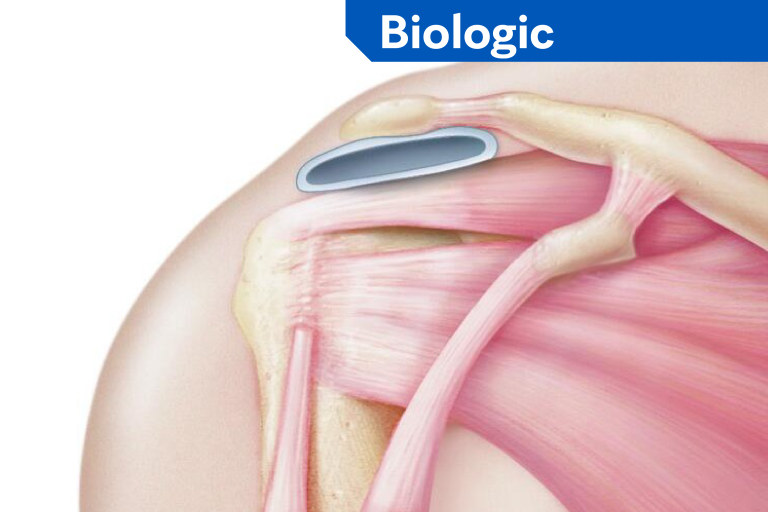
Tendon injuries affect >10 million U.S. patients annually; current treatments relieve pain but do not restore tendon structure or mechanical integrity.
Innovation:
Injectable bone morphogenetic protein 5 (BMP5) promotes extracellular matrix production, improves tendon strength, and reverses degenerative changes, including in steroid-weakened tendons.
Publications:
Unmet need:
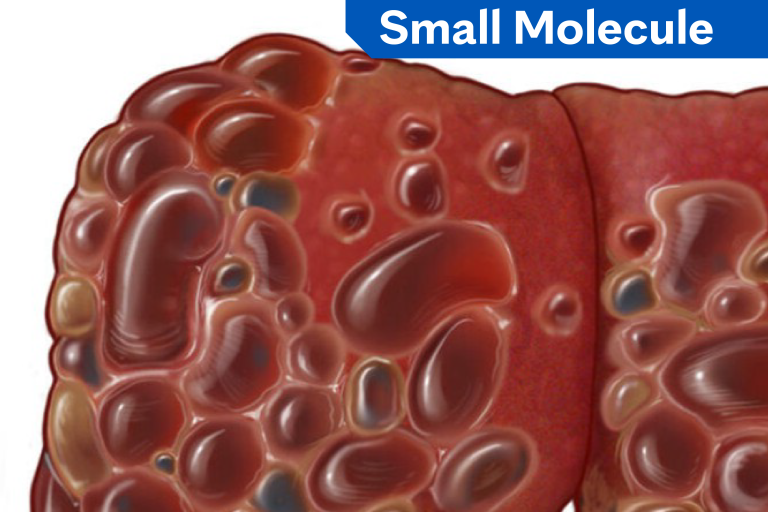
Polycystic liver disease (PLD) and cholangiocarcinoma (CCA) lack disease modifying therapies; TGR5 overexpression drives pathological cAMP signaling.
Innovation:
First-in-class, orally active TGR5 antagonists reduce cystogenesis and tumor burden in vivo.
Publications:
Masyuk et al., ACS Pharmacol Transl Sci (2025) | Masyuk et al., Hepatology (2017)
Unmet need:
Broad immunosuppression increases infection and malignancy risk while failing to induce immune tolerance.
Innovation:
First-in-class B-cell gene therapy that induces expression of the TIGIT immunoregulatory receptor, converting B cells into potent regulators that suppress pathogenic immune responses while preserving protective immunity.
Publications:
Unmet need:
Current CAR-T therapies are limited by complex, time-intensive manufacturing, restricting access for patients across multiple cancer indications.
Innovation:
Off-the-shelf in vivo CAR-T therapy that generates therapeutic CAR-T cells directly within the patient’s lymph node via two viral therapy injections.
Publications:
Therapeutic in situ CAR-T cells in genetically humanized HLA-DQ8 mouse models | Mitigating off-target B-cell transduction in situ CAR-T induction
Unmet need:
Many cancers lack selective delivery of cytotoxic therapy, limiting efficacy and driving systemic toxicity across solid tumors and hematologic malignancies.
Innovation:
A platform technology for targeted prodrug delivery of chemotherapeutics, enabling tumor-selective activation while reducing off-target exposure.
Publications:
NIC1 and Gynecological Malignancies, Cancers (2024) | NIC1 and Lymphomas, Blood (2023)
Unmet need:
Patients with ALK-positive non-small cell lung cancer (NSCLC) inevitably develop resistance to ALK tyrosine kinase inhibitors, and immunotherapy is largely ineffective, leaving limited treatment options.
Innovation:
First-in-class TCR-mimic bispecific antibodies (BiTEs) that recognize conserved HLA-A*02:01–ALK fusion peptides, enabling potent in vitro and in vivo tumor clearance.
Publications:
Ferreira et al., Int. J. Mol. Sci (2021) | Mansfield et al., Annals of Oncology (2016)
Unmet need:
Neurodegenerative diseases, including ALS, frontotemporal dementia (FTD) and Alzheimer’s disease, lack therapies that address the underlying protein aggregation pathology driving neuronal dysfunction and cell death.
Innovation:
Multiple distinct protein classes that modulate TDP-43 aggregation dynamics, reversing pathological aggregation and restoring normal nuclear localization in disease models.
Publications:
Unmet need:
Recurrent respiratory papillomatosis (RRP) is a rare, lifelong disease caused by HPV6/11 with no curative therapies; patients require repeated surgeries due to recurrence, resulting in significant morbidity and healthcare burden.
Innovation:
First-in-class individualized immunotherapeutic vaccines using autologous dendritic cells loaded with immunogenic HPV6/11-derived peptide antigens to elicit potent, targeted cellular immunity.
Publications:
The following portfolio highlights select Mayo Clinic-originated technologies and associated companies currently available for licensing, collaboration or investment.